Teaching students to think , not just to score.

The Innovation Base Course brings design thinking, real-world problem solving, and entrepreneurship into your school structured, mentor-led, and mapped to measurable outcomes.
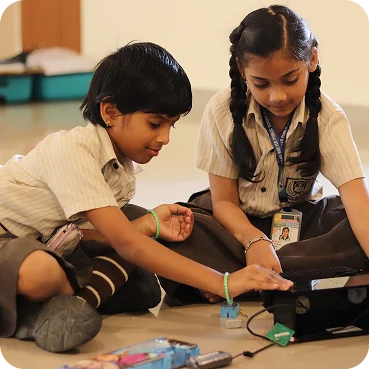
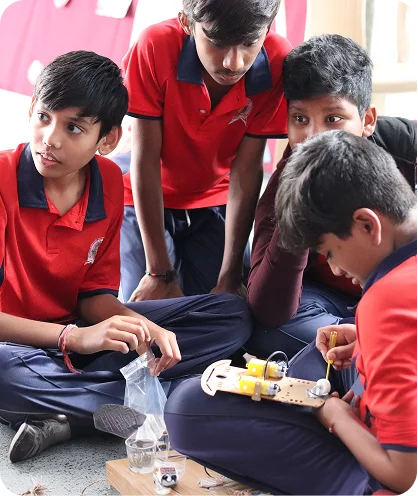
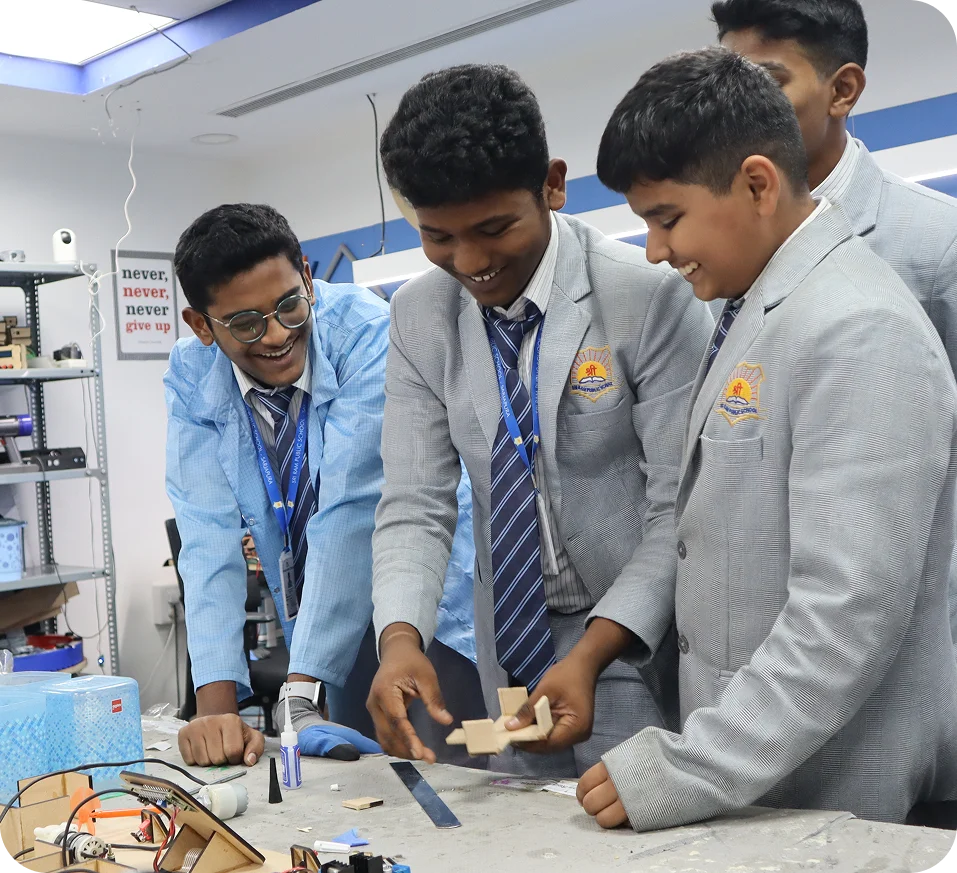
Trusted by 250+ Schools across India



















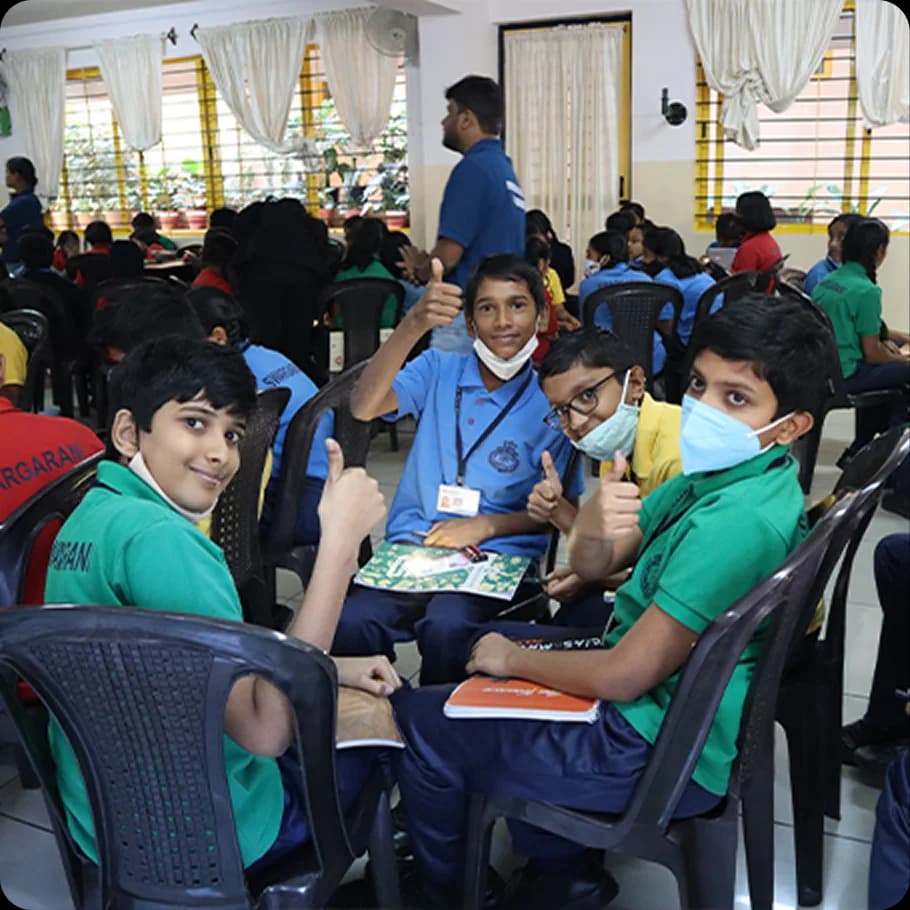
We don't just teach innovation. We're building India's next generation of makers.
We partner with schools to embed a hands-on innovation curriculum alongside their academic programme — building the skills, mindsets, and confidence that classrooms alone don't cover.
Build skills, not scores
We move children from memorising answers to asking better questions — the habit that sits at the heart of every real-world breakthrough.
Reach every kind of school
100 student start ups by 2030
Measurable student outcomes
Bring the Innovation Base Course to your school and give every student a seat at the table.
Built for schools that take innovation seriously.

100% project-driven, evaluated by practising engineers.
Kaushal Bodh
In line with NEP 2020, it emphasizes project-based learning for skills.
Trained mentors
Each cohort led by verified mentors trained in facilitation and child safety.
Board ready outcome
Students assessed at start and end; schools get termly reports showing impact.
Fits your calendar
Online or on-campus, fits your timetable.
A structured curriculum your school can actually run.

Six progressive modules, each with defined outcomes, assessments, and durations — designed to slot into your existing timetable.
Module 01 of 06
Discover & Observe
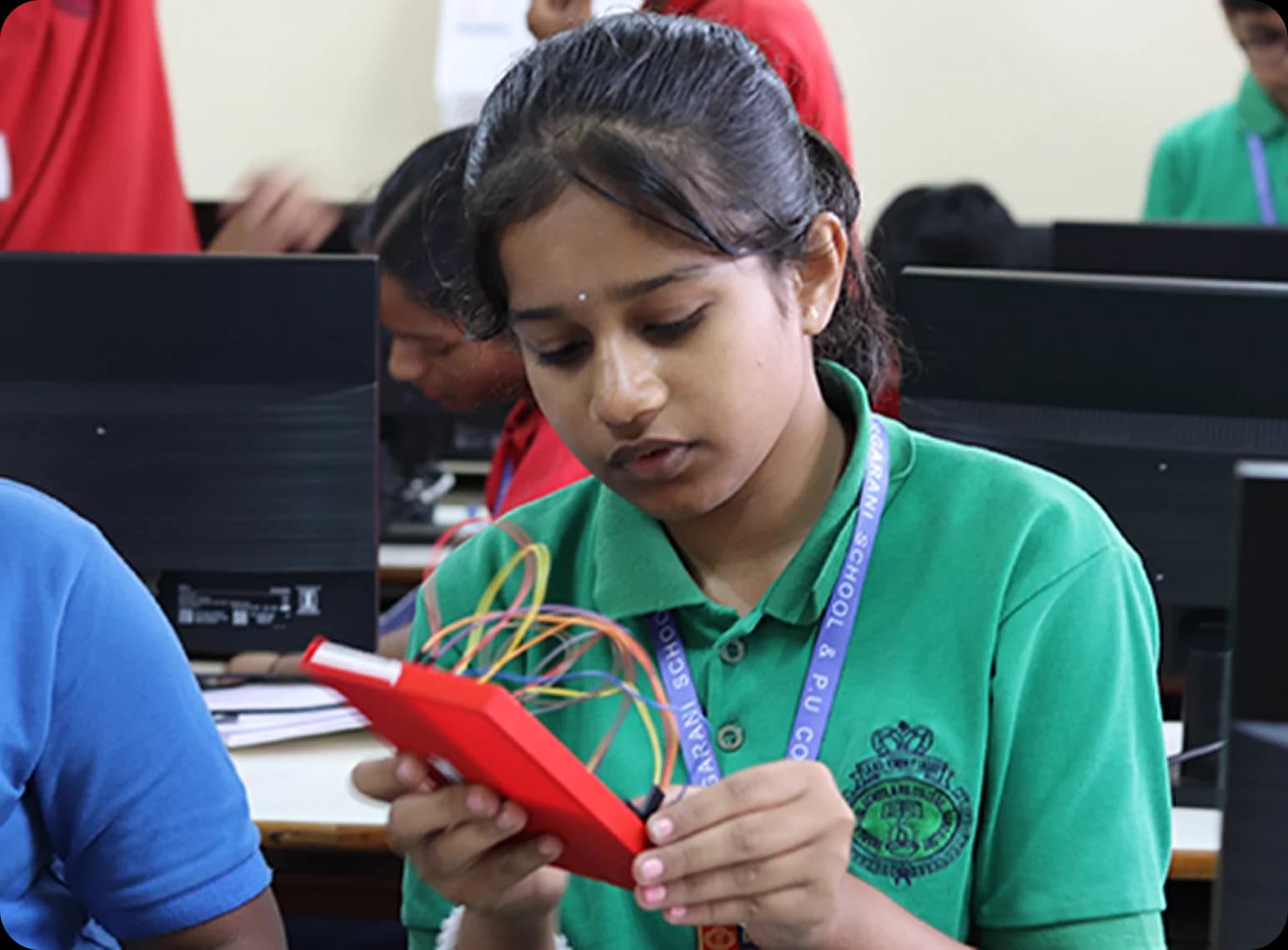
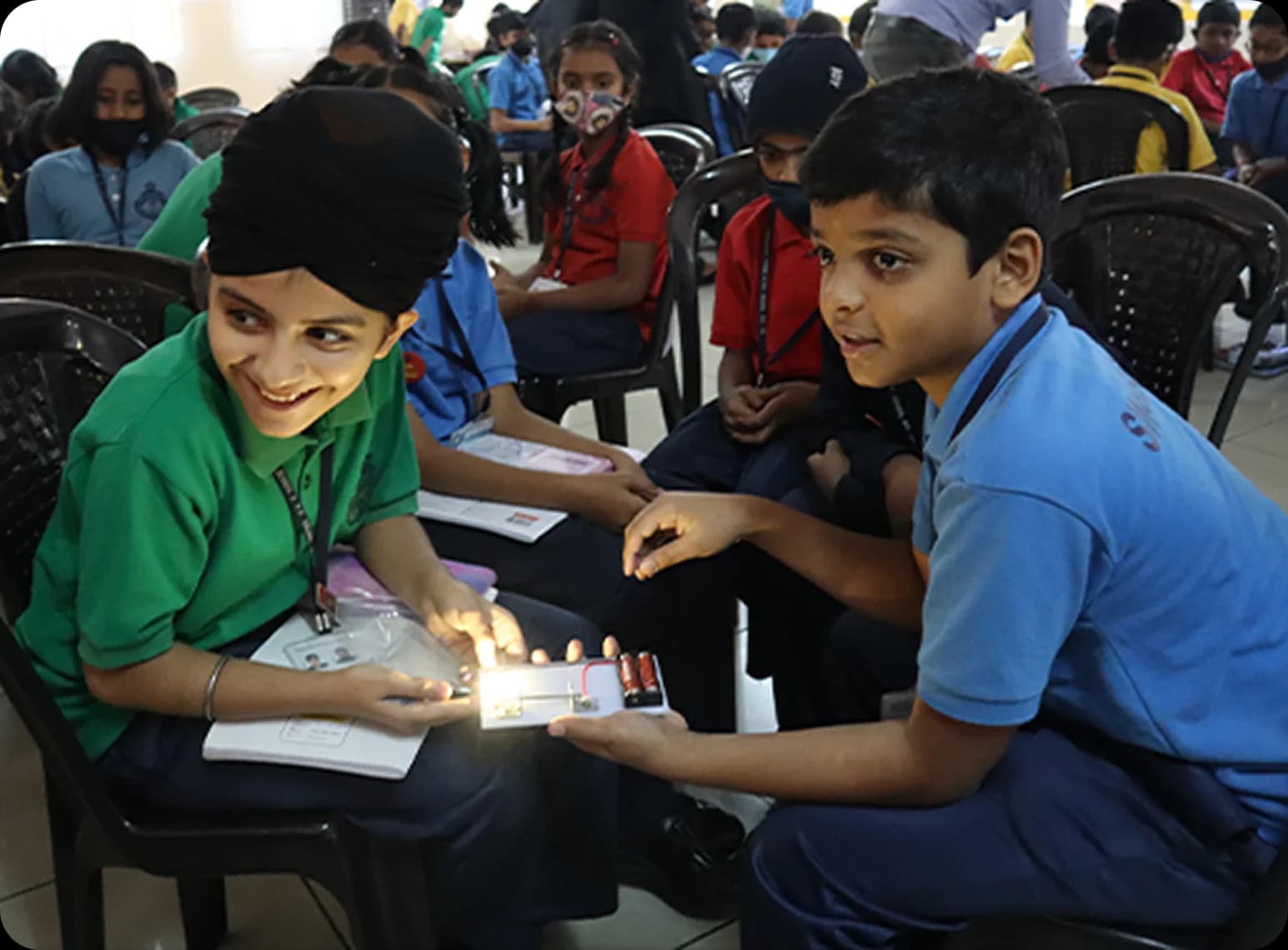
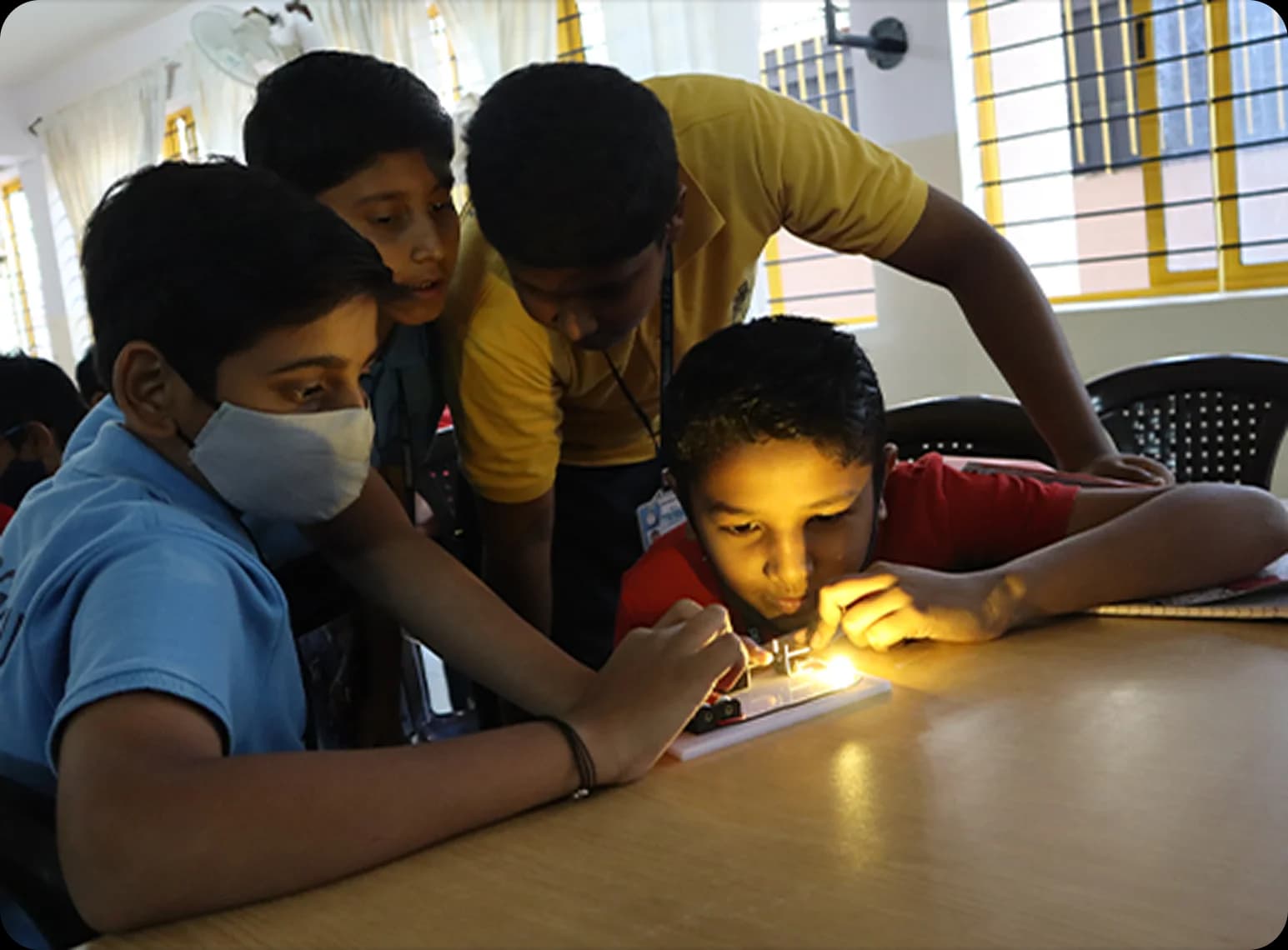
Understanding how things work. Students explore the foundations of technology by observing how everyday devices function, how energy flows, and how simple physical actions create predictable results.
What students produce
Explains how a physical action or input creates a clear output
Handles electronic parts safely using structured step-by-step logic
Tests and categorizes everyday materials based on how energy moves through them
Module 02 of 06
Build & Move
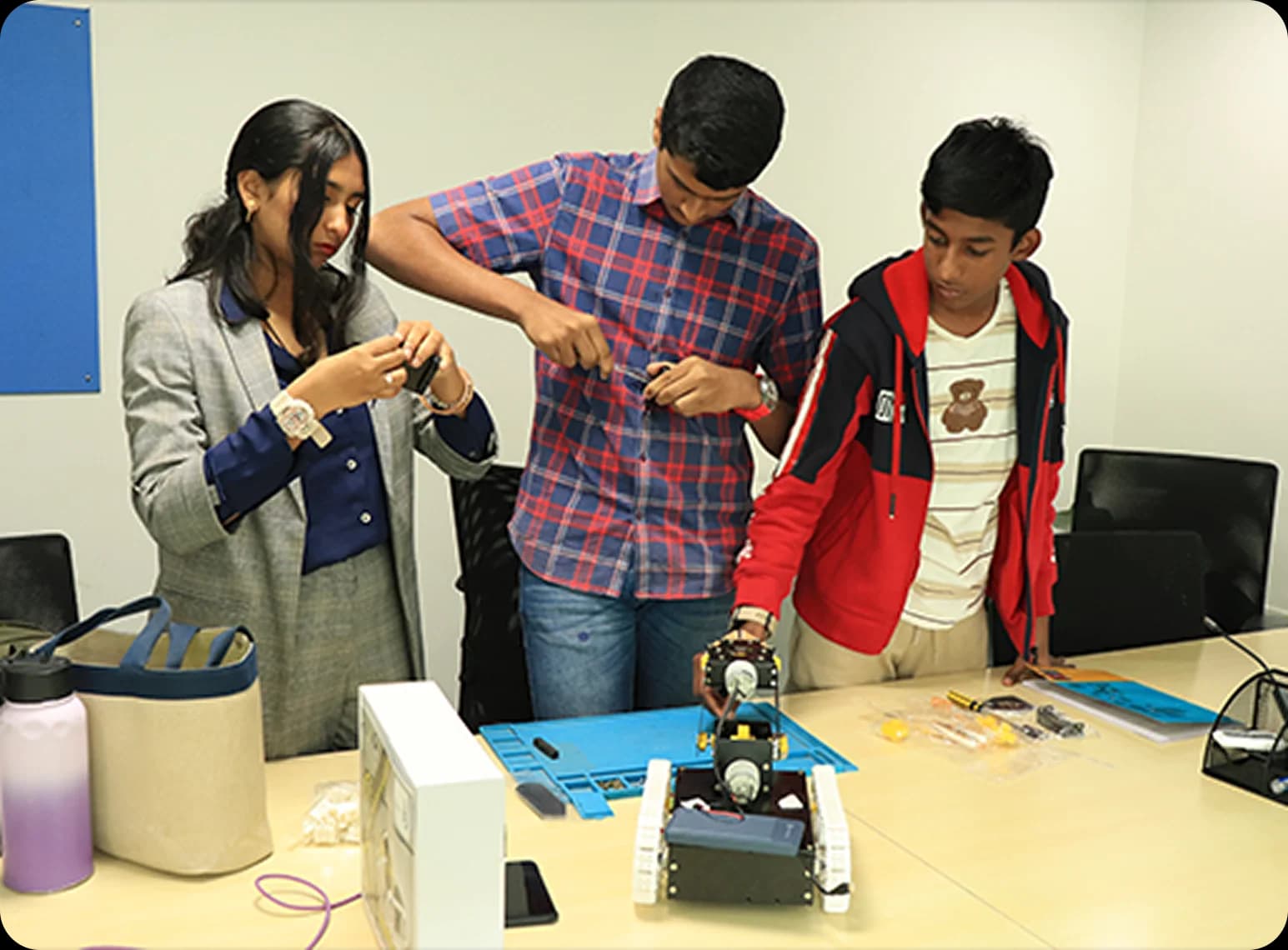
Making structures balance and move. Students transition from flat circuits to 3D physical models. They learn spatial planning, structural balance, and how to use mechanical parts to turn energy into physical motion.
What students produce
Builds physical models engineered for balance, stability, and structural support
Uses mechanical parts to convert power into movement (rotation, lifting, sliding)
Modifies and rebuilds models through trial and error to improve performance
Module 03 of 06
Sense & React
Technology that responds to the environment. Students build interactive systems that react to their surroundings. Using sensors, they construct machines that can "see" light or "feel" physical changes, moving from manual operation to conditional automation.
What students produce
Builds models that run automatically based on environmental changes
Connects classroom builds to real-world uses in safety and energy efficiency
Conducts controlled tests to see how systems perform under different conditions (e.g., bright vs. dark)
Module 04 of 06
Connected IoT
Designing smart, networked infrastructure. Moving beyond standalone models, students focus on the Internet of Things (IoT). They construct functional project builds that collect data, connect devices, and automate public spaces and smart infrastructure.
What students produce
Integrates IoT connectivity into complex project builds
Uses collected environmental data to dictate how a machine or system should behave
Connects classroom IoT projects directly to real-world sustainability and urban planning solutions
Module 05 of 06
Diagnostics & Optimization
Fixing, troubleshooting, and precision upgrading. Engineering is about solving real problems. In this phase, students move beyond guided assembly to analyze complex breadboard setups, find system errors, and engineer smarter, highly optimized solutions.
What students produce
Uses testing tools safely to isolate hardware or logical faults in a system
Identifies the root cause of an error and rebuilds the system to fix it independently
Assembles complex circuits precisely, ensuring system stability and component safety
Module 06 of 06
AI & Intelligent Innovation
Advanced logic and autonomous decision making. In the final phase, students integrate Artificial Intelligence to build highly responsive, intelligent applications. They transition into true system architects, instructing machines how to "think," communicate, and solve advanced challenges.
What students produce
Integrates AI elements and dynamic coding logic into final project builds
Formulates clear, data-backed proposals on how their intelligent system can solve real-life industrial or societal problems
Demonstrates an understanding of natural language programming and autonomous system control
Tech · Skills · Entrepreneurship
Every student leaves the IBC able to build something real, work with others, and turn an idea into impact.
Tech
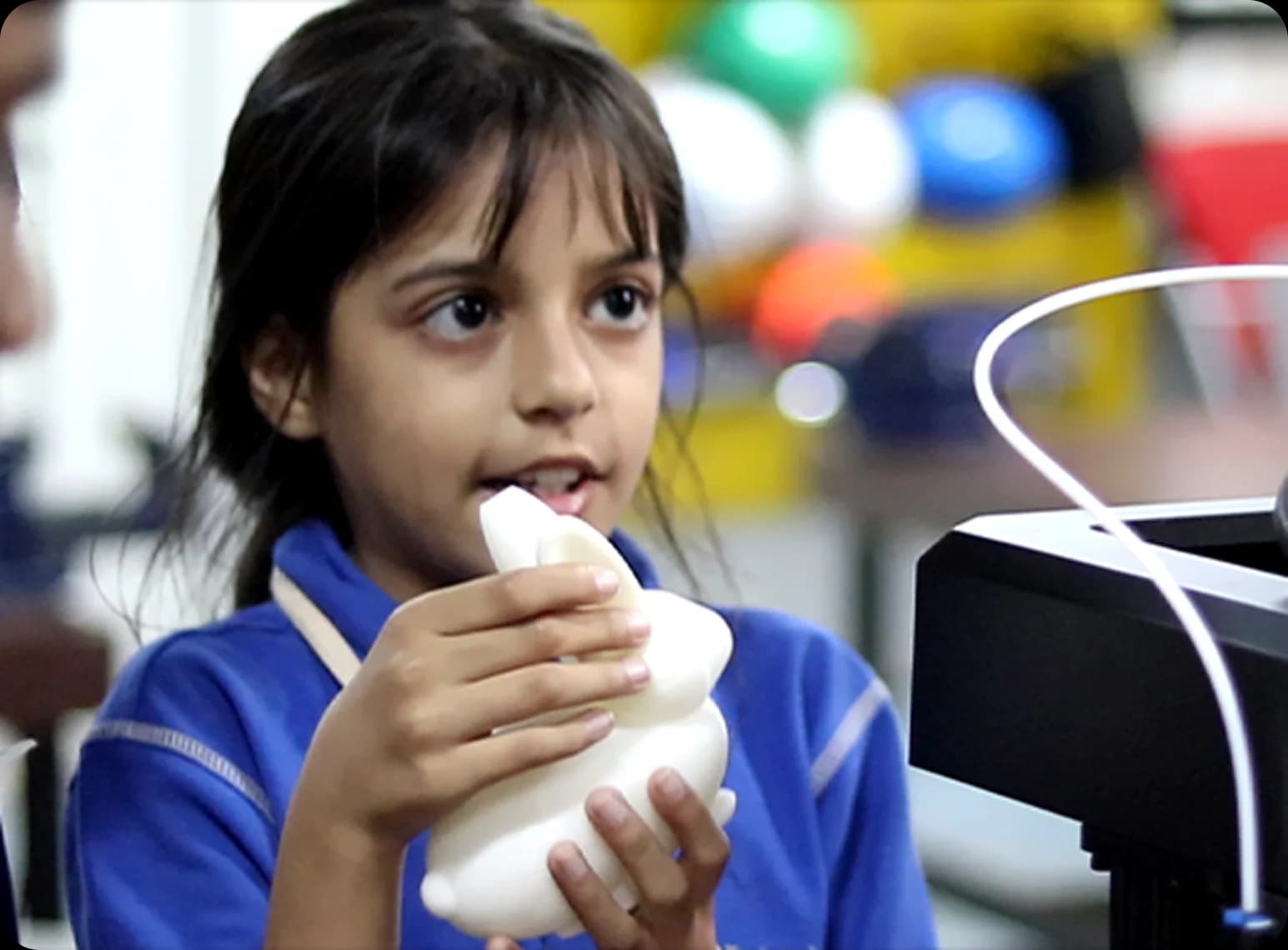
Hands-on with coding, electronics, 3D design, and responsible AI to build working prototypes.
Skills
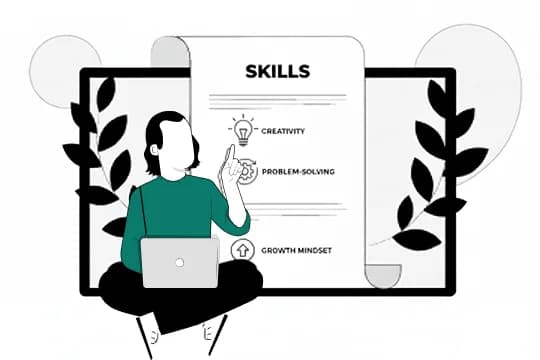
21st century learning skills like communication, collaboration, critical thinking, and resilience via projects.
Entrepreneurship
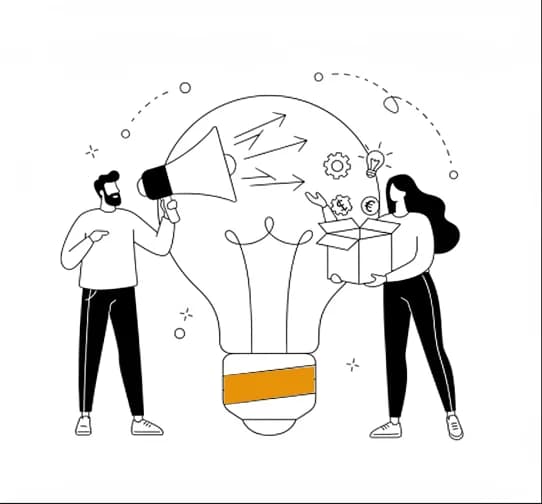
From idea to impact: validate problems, model business, manage budgets, and pitch confidently.
Placed by aptitude, not by age.
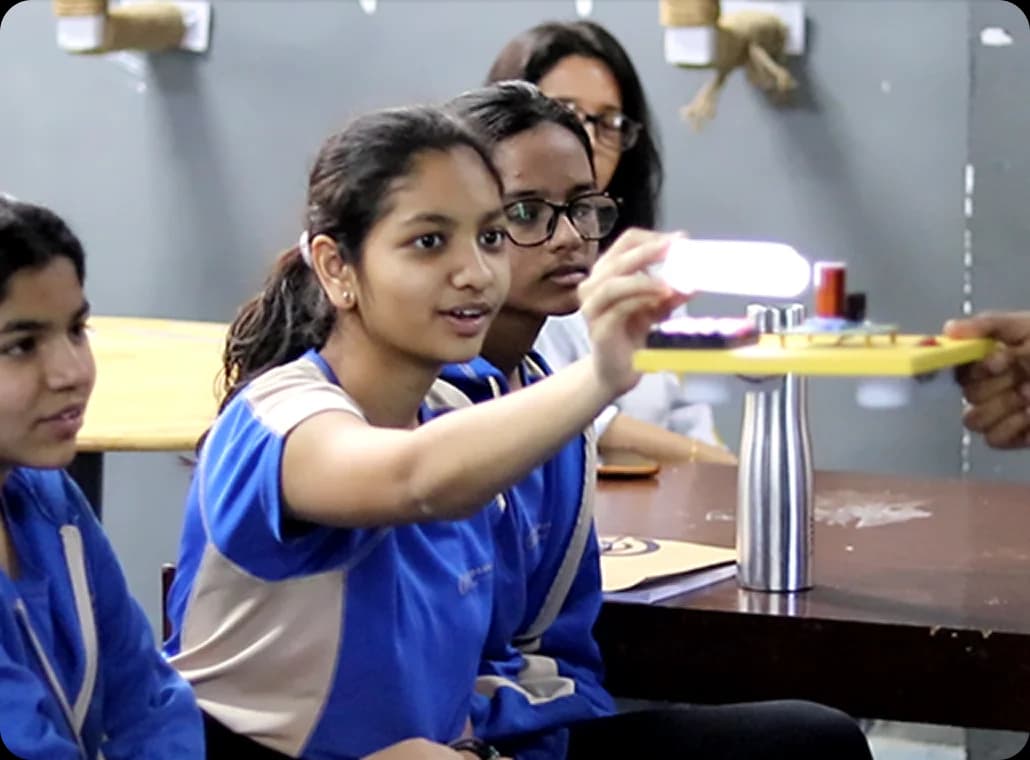
Before a student begins, a short innovation-aptitude assessment — not an academic test — helps us understand how they think and create. We place each student at the right starting point.
So a curious Grade 6 student and a Grade 10 student each get work that genuinely stretches them. Every child is welcome — no one is left behind or held back.
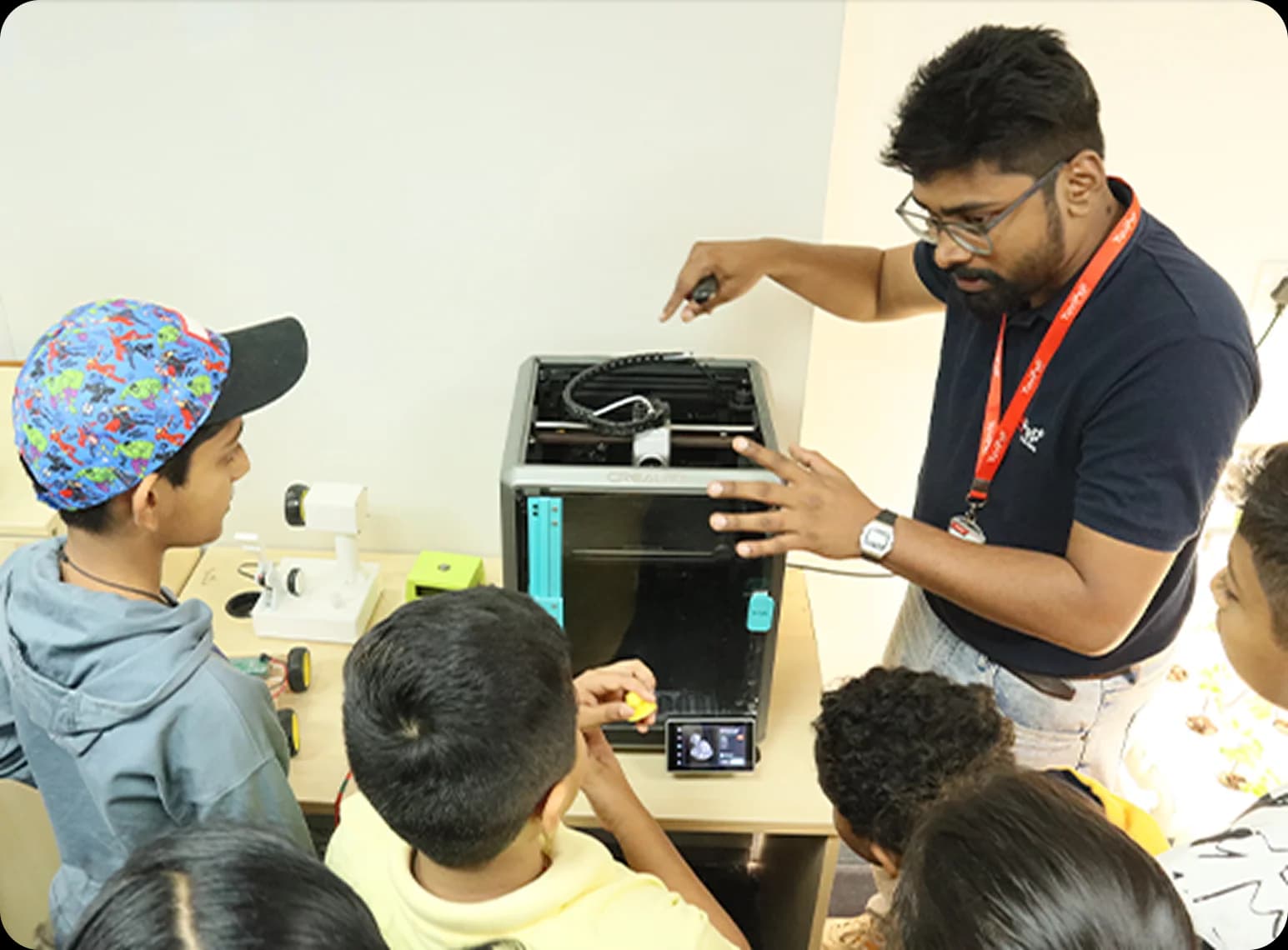
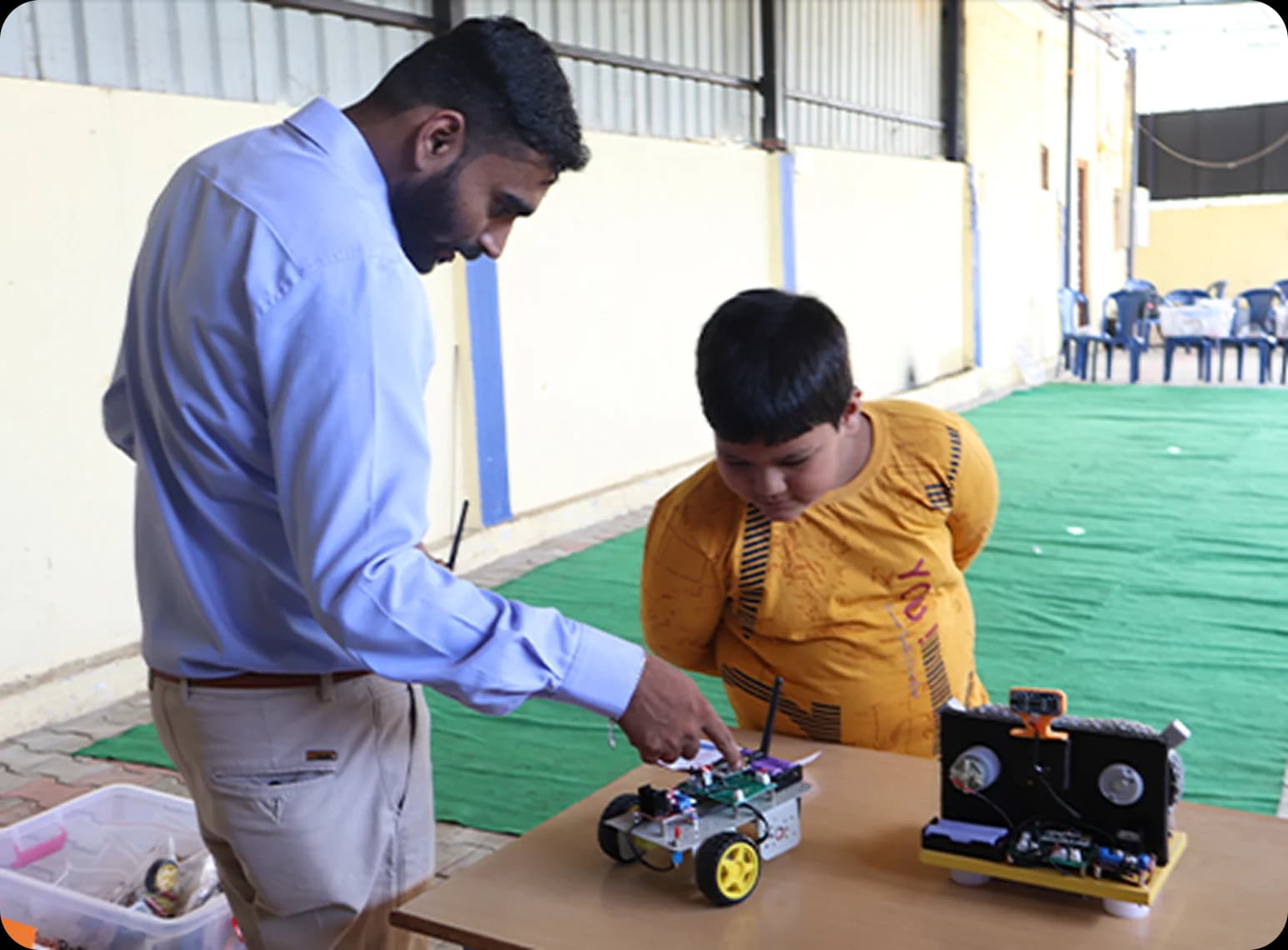
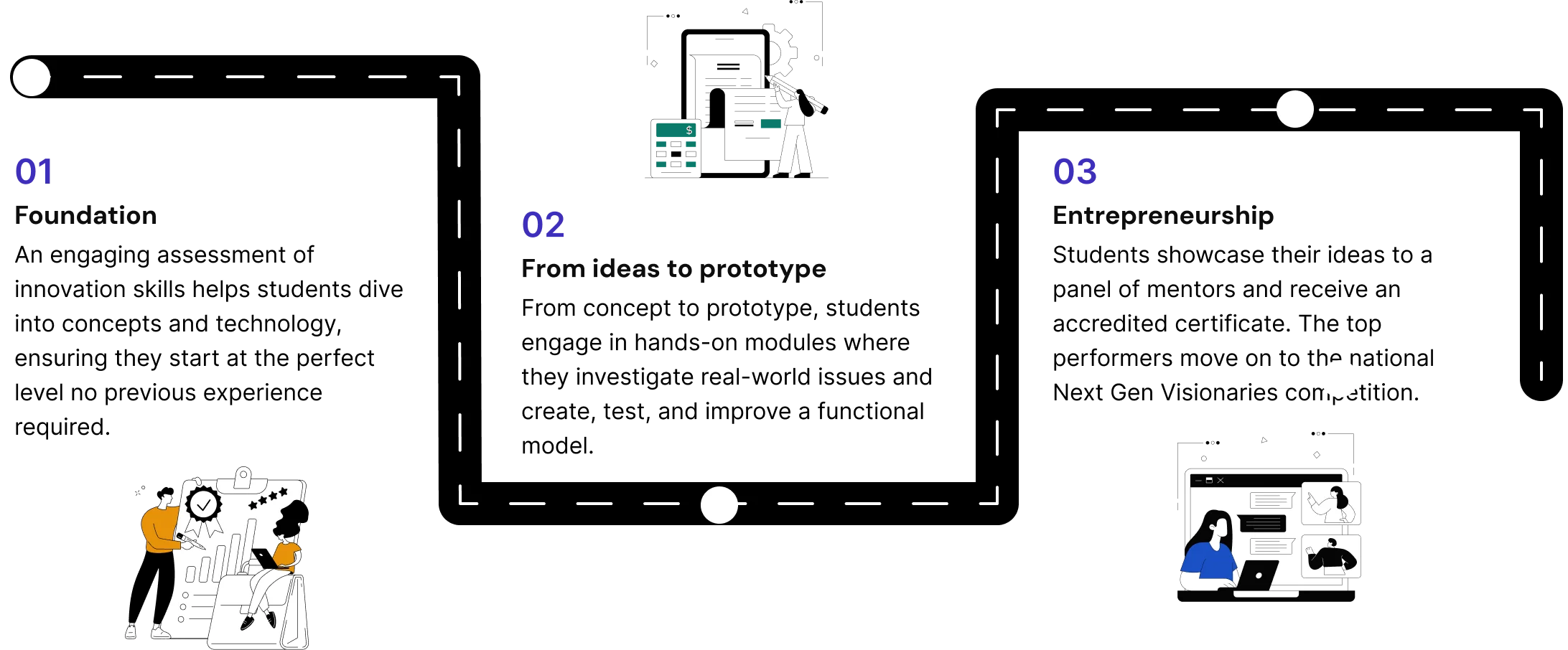
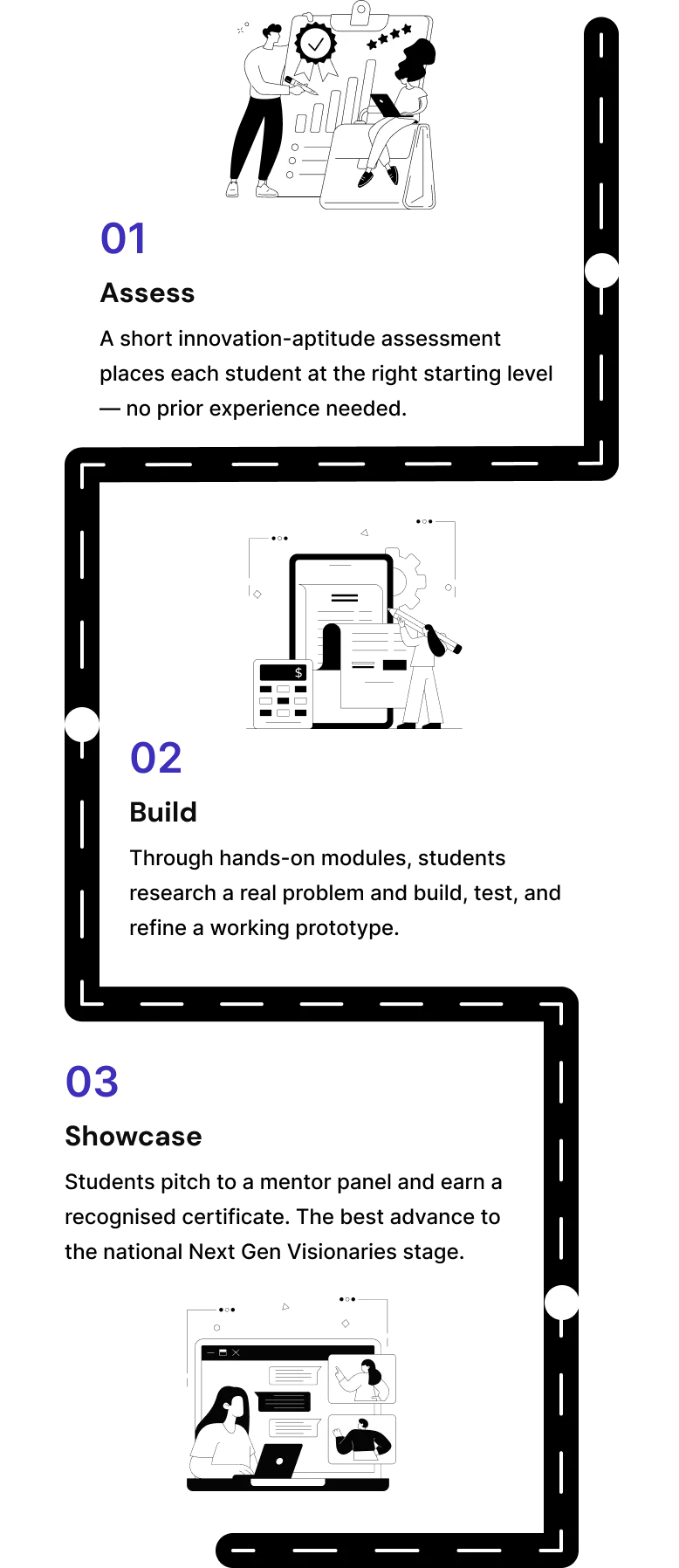
A clear journey, in three steps.
The Internship Programme
Real-world exposure for young students — selected through an interview, mentored by professionals, and rewarded for the work they do.
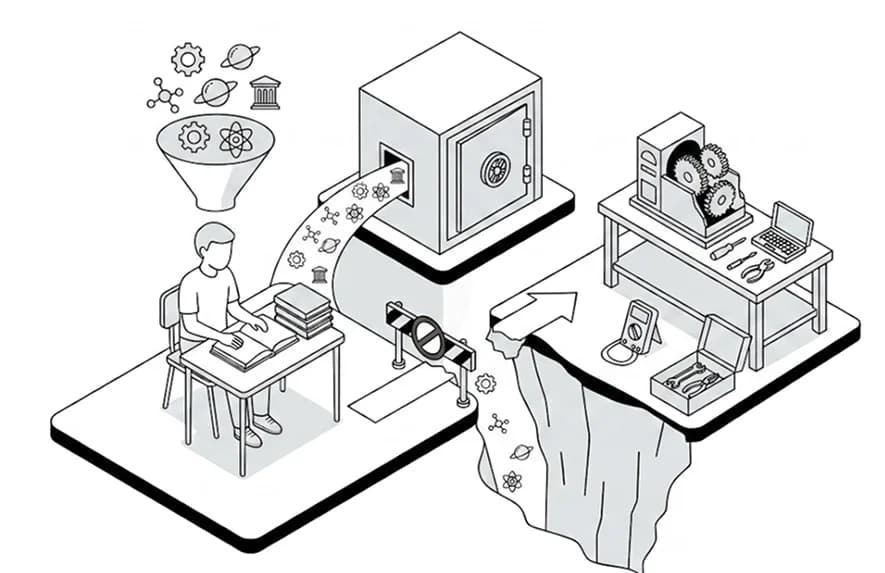
Real-world exposure
Our internship program gives students real-world exposure, helping them apply concepts directly to practical problems, tools, and products.
Selected through interview
Only a select few are chosen through our internship program to meet the creativity demands of their careers.
Stipend in Amazon coupons
Many interns complete the program without receiving a stipend, but we offer compensation in the form of valuable coupons as part of our internship benefits.
Your school's permanent home for innovation
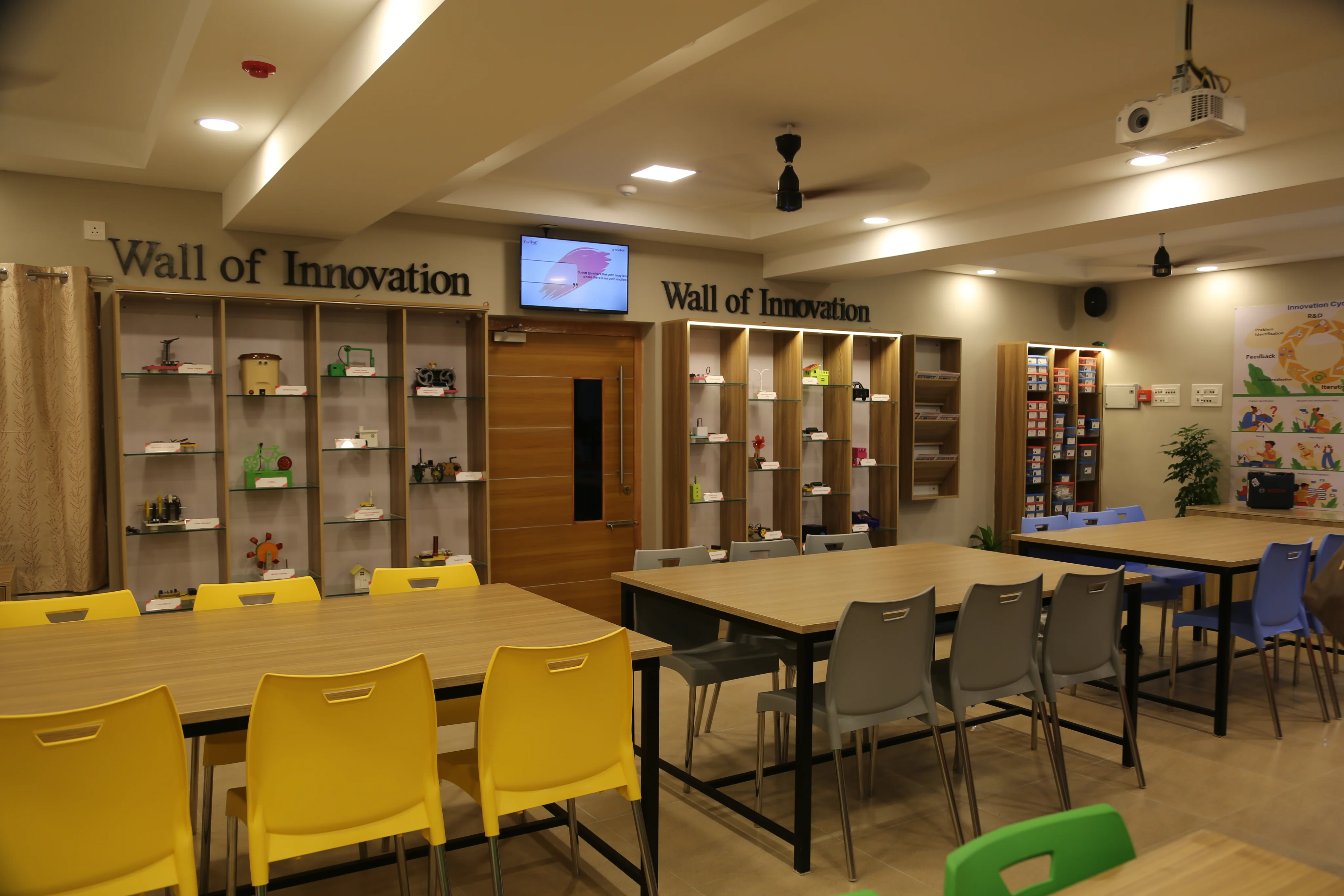
A custom-built space inside your school where students experiment, prototype, and create — fully equipped and facilitated by the YuviPep team.
Innovation Lab
Transform any classroom into a dedicated thinking space. YuviPep designs and installs fully equipped Innovation Labs in your school — giving students a permanent place to experiment, prototype, and create.
What your Innovation Lab includes
A customised Wall of Innovation displaying student projects building school-wide pride and visibility around learning outcomes
Dedicated workstations configured for hands-on project work, not passive instruction
A curated toolkit of materials, components, and prototyping equipment selected for Grades 6–10
Ongoing YuviPep support for lab usage, activity planning, and student facilitation
Reach us for further assistance
Discover how you can make an impact!